
Pilates Taught by a Physical Therapist: A Clinical Perspective
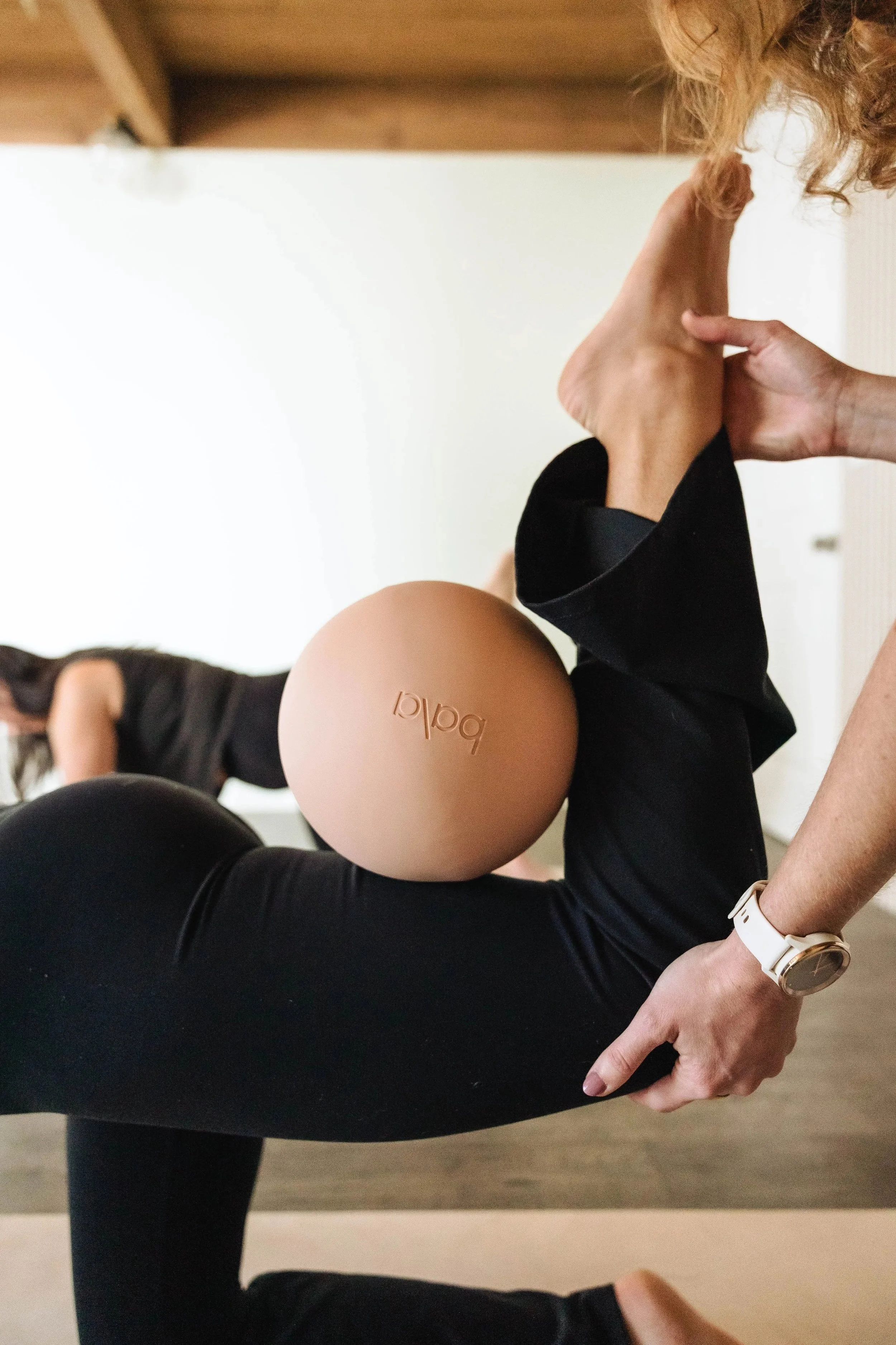
Pilates instructors are highly trained professionals, and many are exceptional at cueing movement, alignment, and control. What differentiates Pilates taught by a physical therapist is not a lack of skill elsewhere — it’s the clinical lens and patient populations being considered.
As a physical therapist, my Pilates work is informed by advanced training in anatomy, pathology, biomechanics, and rehabilitation. That means the movement you’re doing is not only about form, but about how your body is healing, adapting, or compensating — often after injury, surgery, or chronic pain.
Many of the clients I work with fall into populations that require more than a generalized class setting, including individuals with:
• Post-surgical histories (orthopedic or oncologic)
• Chronic low back or neck pain
• Joint degeneration or arthritis
• Tendon and ligament injuries
• Pelvic, hip, or shoulder instability
• Postural dysfunctions related to desk work or repetitive activity
• Neuromuscular or movement coordination deficits
In these cases, Pilates becomes a powerful rehabilitation and reconditioning tool — but only when it’s applied with an understanding of diagnosis, tissue healing timelines, and appropriate loading.
The Role of Manual Therapy and Hands-On Care
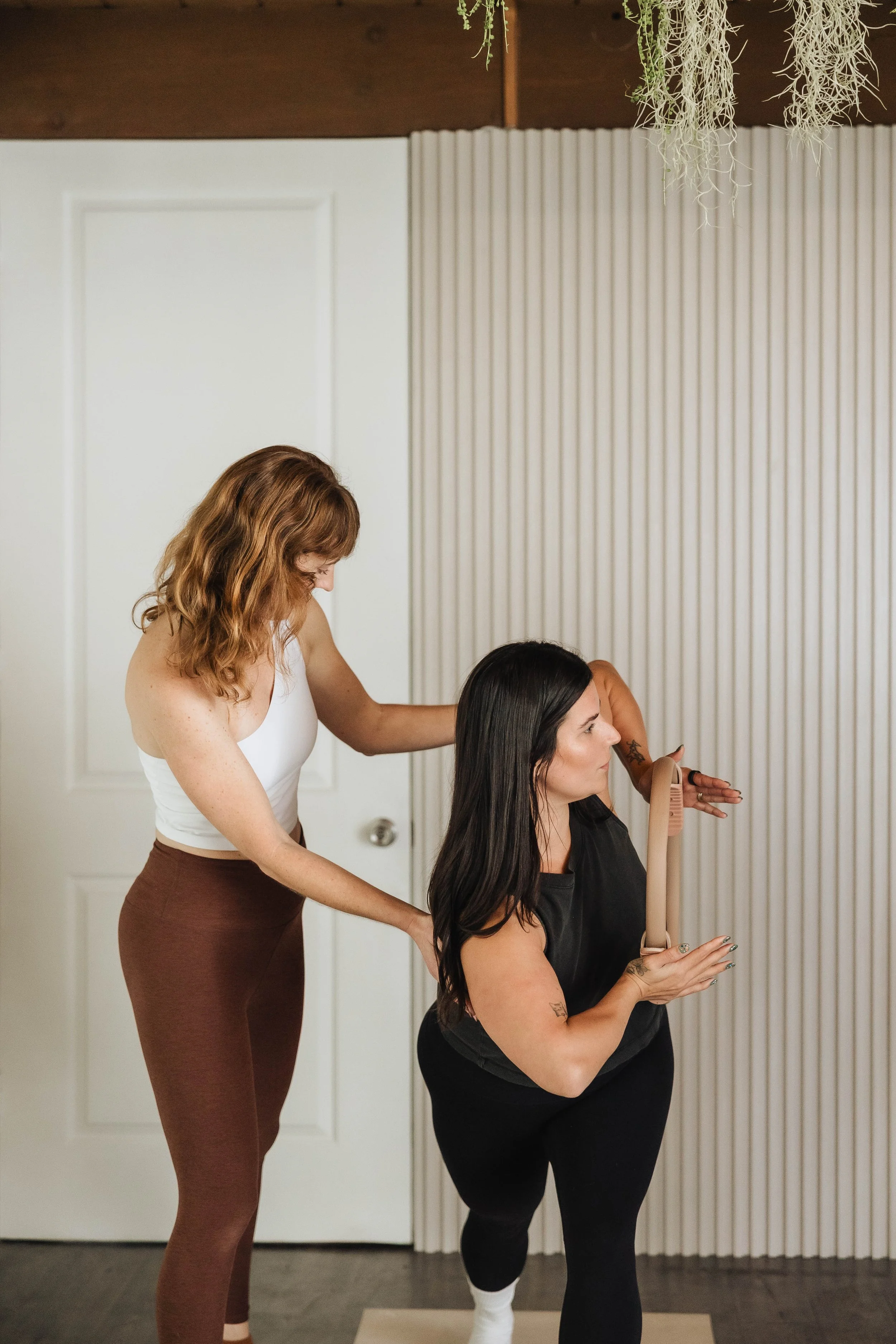
Another key difference is the integration of manual therapy and hands-on cueing.
As a PT, I’m trained to assess and treat soft tissue restrictions, joint mobility limitations, and movement impairments using hands-on techniques such as manual therapy, assisted stretching, and targeted tissue work. This allows me to prepare the body before movement, modify it during exercise, and support recovery after sessions when needed.
Hands-on cueing also plays a major role in how movement is learned. Subtle tactile feedback can help clients access muscles they’ve never felt engage, correct compensations they’re unaware of, and move with more confidence and control — especially when pain or fear has altered how they move.
Movement With Context, Not Guesswork
Because I am able to assess, treat, and progress clients within a medical and movement framework, Pilates sessions in this studio are guided by context — not guesswork.
Exercises are chosen based on:
• Current symptoms and diagnosis
• Movement quality, not just ability
• Healing phase and tissue tolerance
• Long-term goals, not just short-term challenge
The result is movement that is not only safe, but highly effective — helping clients rebuild strength, restore confidence, and move forward without constantly cycling through pain or setbacks.