Muscle Recovery & Mobility: Why Physical Therapy and Pilates Are Keys to Feeling Strong & Flexible
Physical Therapy and Pilates Are Keys to Feeling Strong & Flexible
You work out. You stay active.
Maybe you strength train or take Pilates classes.
But you still feel stiff, tight, or limited in flexibility.
That’s because muscle recovery isn’t just something you do at the end of a workout. It’s an intentional part of training that helps your body adapt, repair, and move better.
When recovery is overlooked, tension builds. That persistent stiffness can start to feel normal. But it doesn’t have to.
What Recovery Really Does (And Why It Matters)
Every time you lift weights, take a Pilates class, run, play recreational sports, or do a CrossFit style workout, your muscles experience micro-stress. That stress is how adaptation happens, but your body still needs support to fully recover.
Recovery helps your:
⟶ muscles repair stronger
⟶ joints move with less stiffness
⟶ nervous system reset
⟶ mobility improve over time
Without intentional recovery, stiffness and restrictions can hang around, even if you work out regularly.
Why Static Stretching Isn’t Enough
You’ve probably done cool down stretches like the classic 3 sets x 30 seconds each.
That’s fine, however, static stretching alone doesn’t meaningfully speed recovery or reduce soreness compared to doing nothing at all.
Recovery should:
⟶ help soft tissues relax
⟶ improve joint range of motion
⟶ address fascial tightness
⟶ support circulation and repair
That’s where physical therapy-based interventions and guided mobility sessions make a big difference.
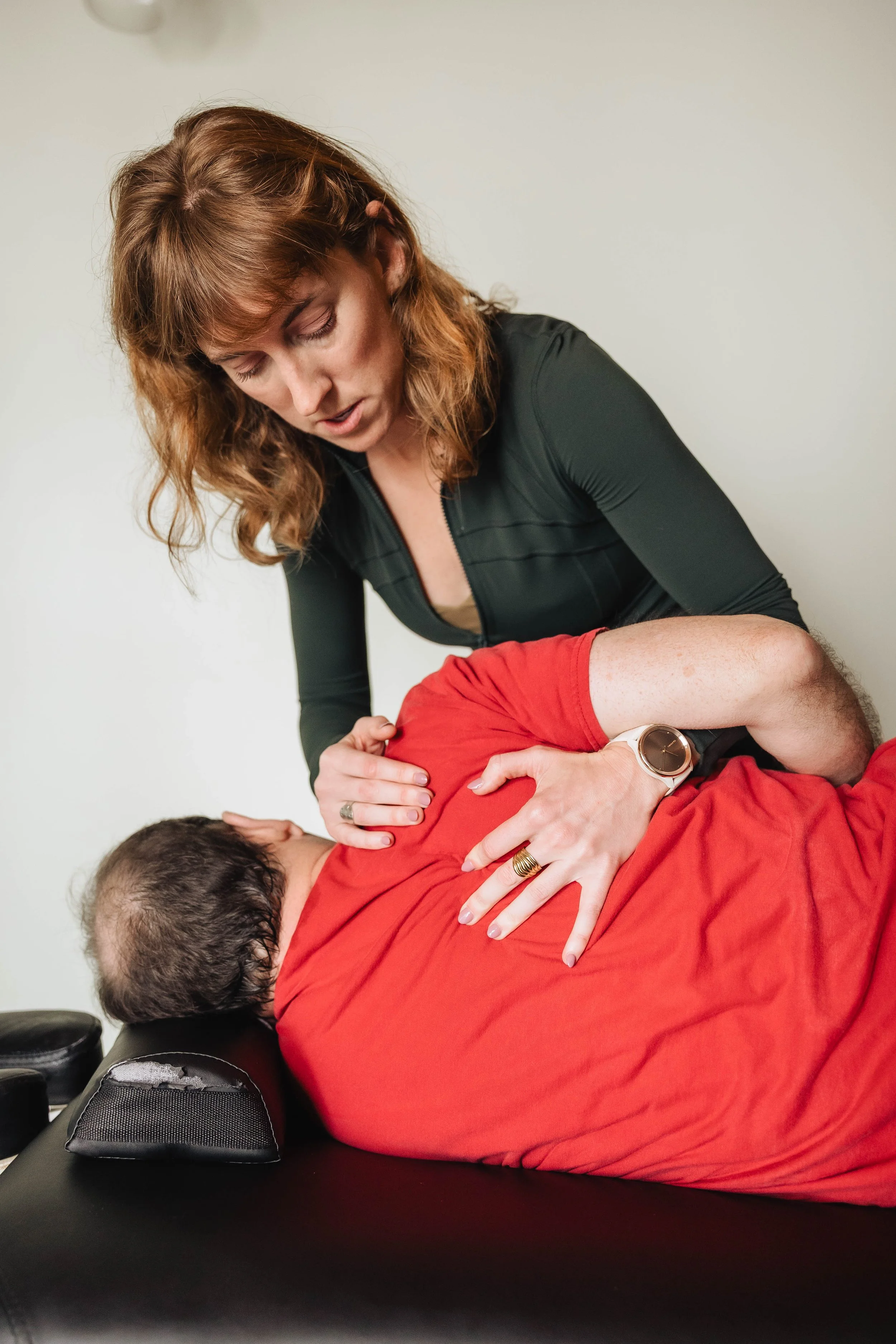
How Physical Therapy Helps With Recovery
At Physique Health Studio, we assess your movement, flexibility, and any chronic tension patterns you show.
Physical therapy can include:
⟶ soft tissue mobilization
⟶ joint-specific mobility work
⟶ movement retraining
⟶ targeted therapeutic exercise
These are not random stretches, they’re individualized recovery strategies based on your movement and goals.
Why Pilates Complements Muscle Recovery
If you enjoy Pilates at Physique Health Studio, you already know how it improves strength and control.
Pilates also:
⟶ increases mobility through movement
⟶ strengthens stabilizing muscles
⟶ improves posture and alignment
⟶ builds coordinated movement patterns
But when Pilates is combined with recovery work like soft tissue therapy or assisted stretching, the overall effects on your mobility are compounded.
That’s a major reason why people who train regularly experience improved mobility and move more comfortably when recovery work is integrated into their routine.
Recovery Tools That Go Beyond a Cool Down
Here are the recovery tools that actually work:
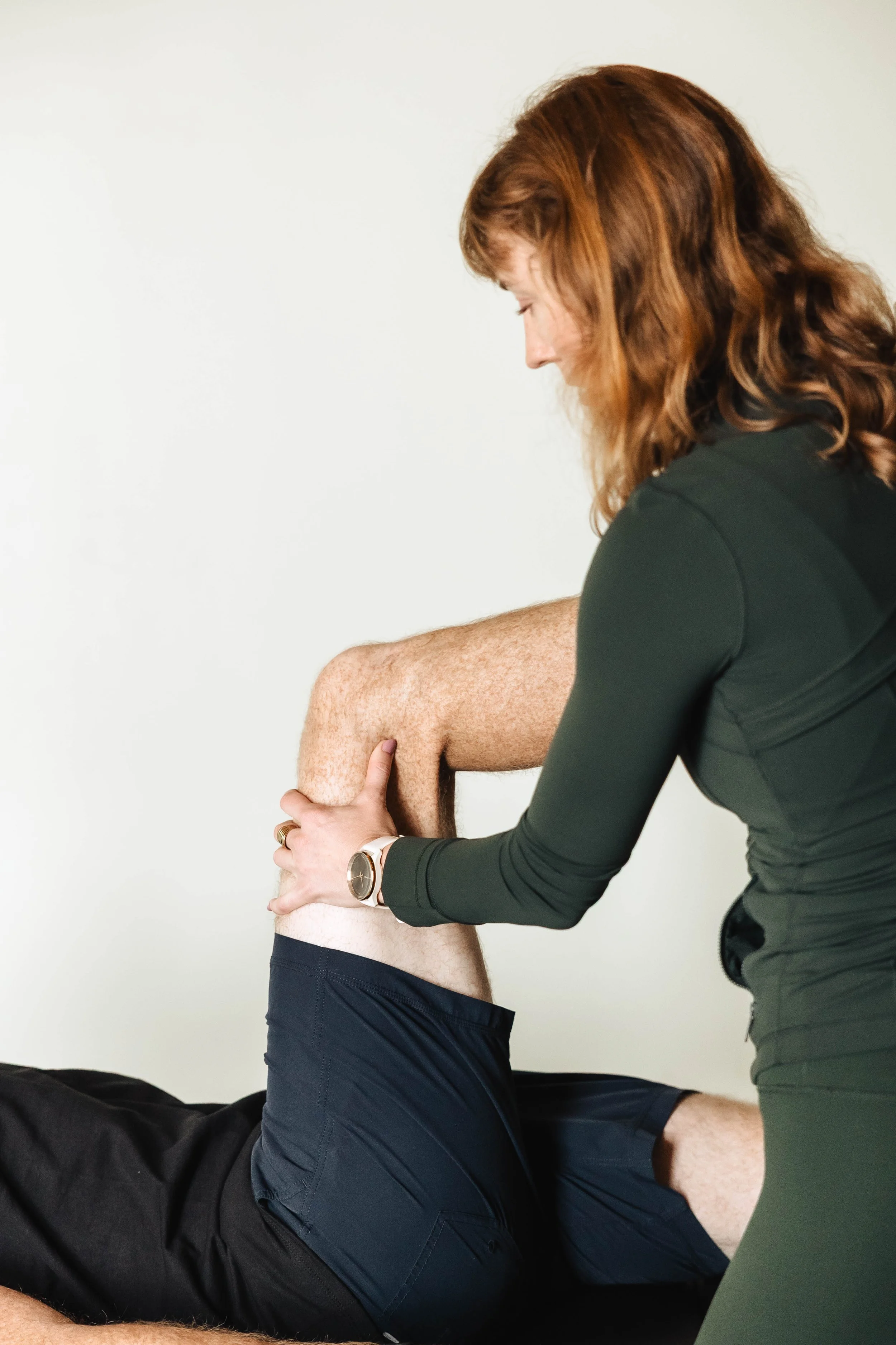
Assisted Stretching & Soft Tissue Work
Offered through Muscle Recovery Services, these hands-on techniques help:
⟶ release tight muscles & myofascial tension
⟶ improve range of motion
⟶ reduce post-exercise stiffness
⟶ speed tissue repair
Assisted stretching and soft tissue massage go deeper than regular stretching. They help the muscles and fascia adapt and recover so you move with improved ease in your next workout.
How This Helps Everyday Active People (Not Just “Athletes”)
If you’re someone who:
⟶ wants to stay active into your 40s, 50s, 60s, and beyond
⟶ strength trains or does Pilates regularly
⟶ feels stiff after workouts
⟶ sits most of the day and then tries to stretch afterward
…then structured recovery work can improve how your body feels every day, not just during workouts.
Add Recovery the Smart Way
Think of recovery like training:
Schedule it: just like you schedule workouts
Be consistent: don’t only do it when “you feel tight”
Be purposeful: choose strategies that improve mobility and circulation
The payoff is that your body feels capable and resilient, not beaten up or restricted.